Jump to content: Overview | Personality | Appearance | Size & Lifespan | Daily Care | Health | Lifestyle | History | Summary
1. Overview
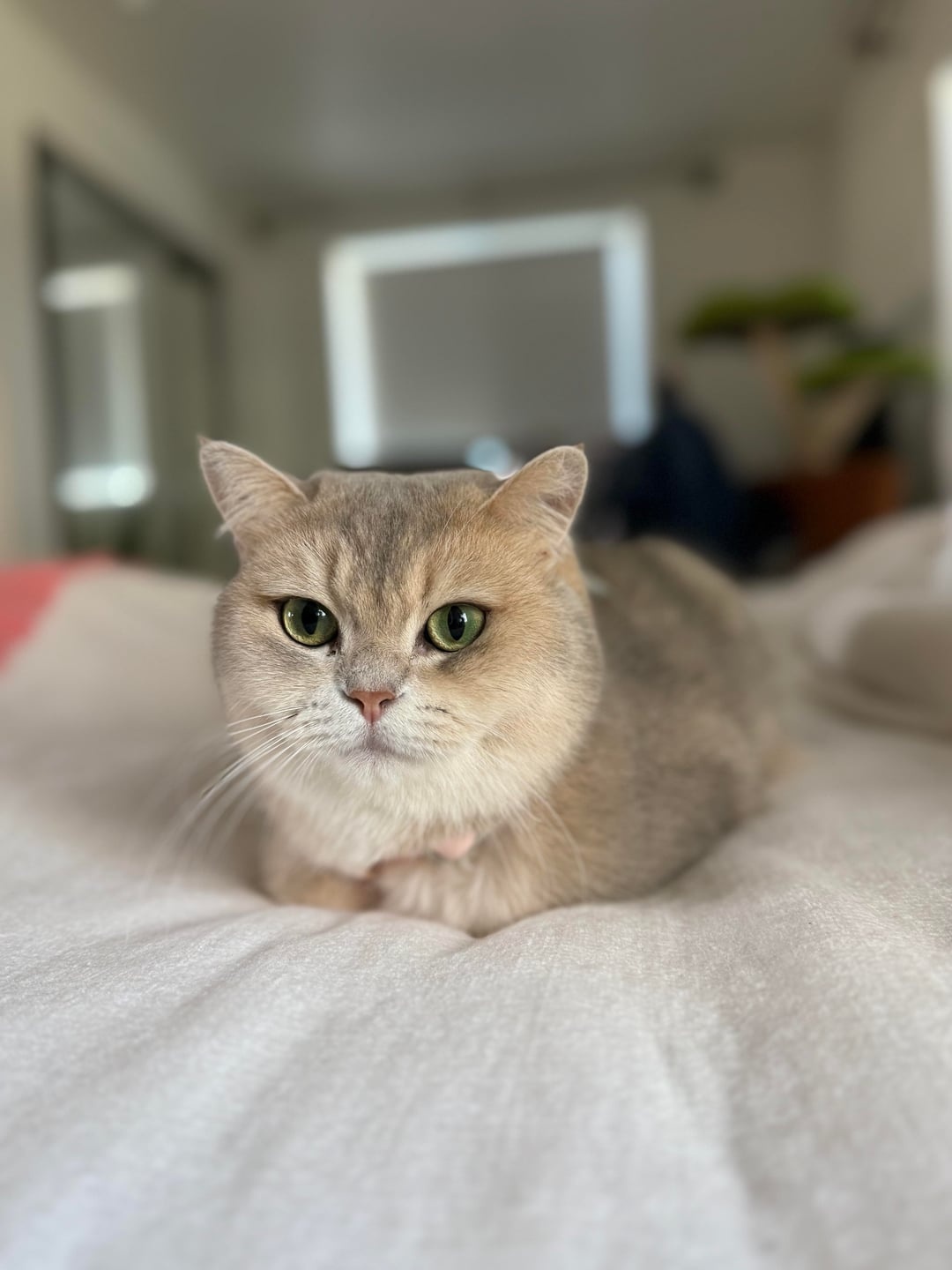
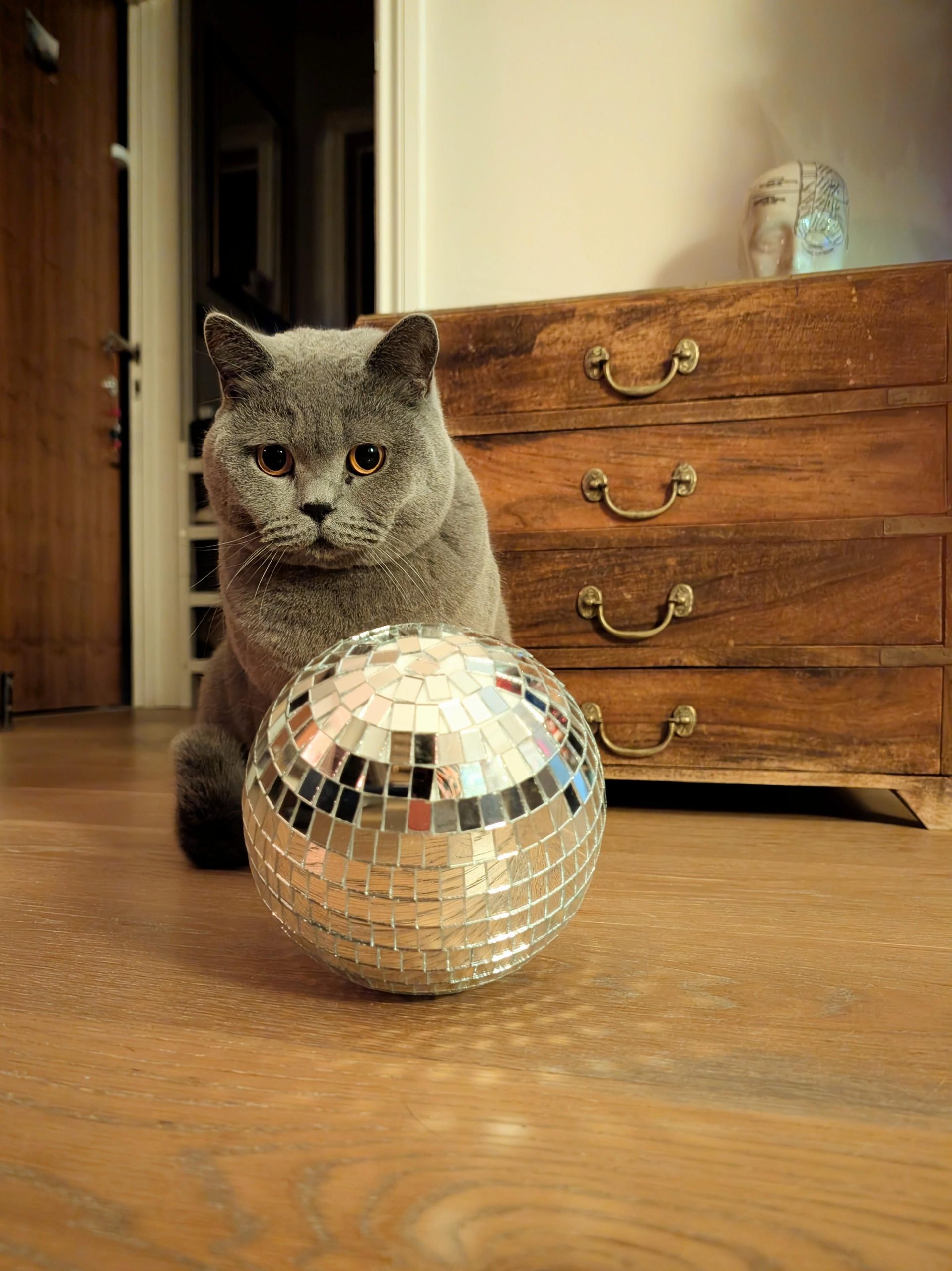
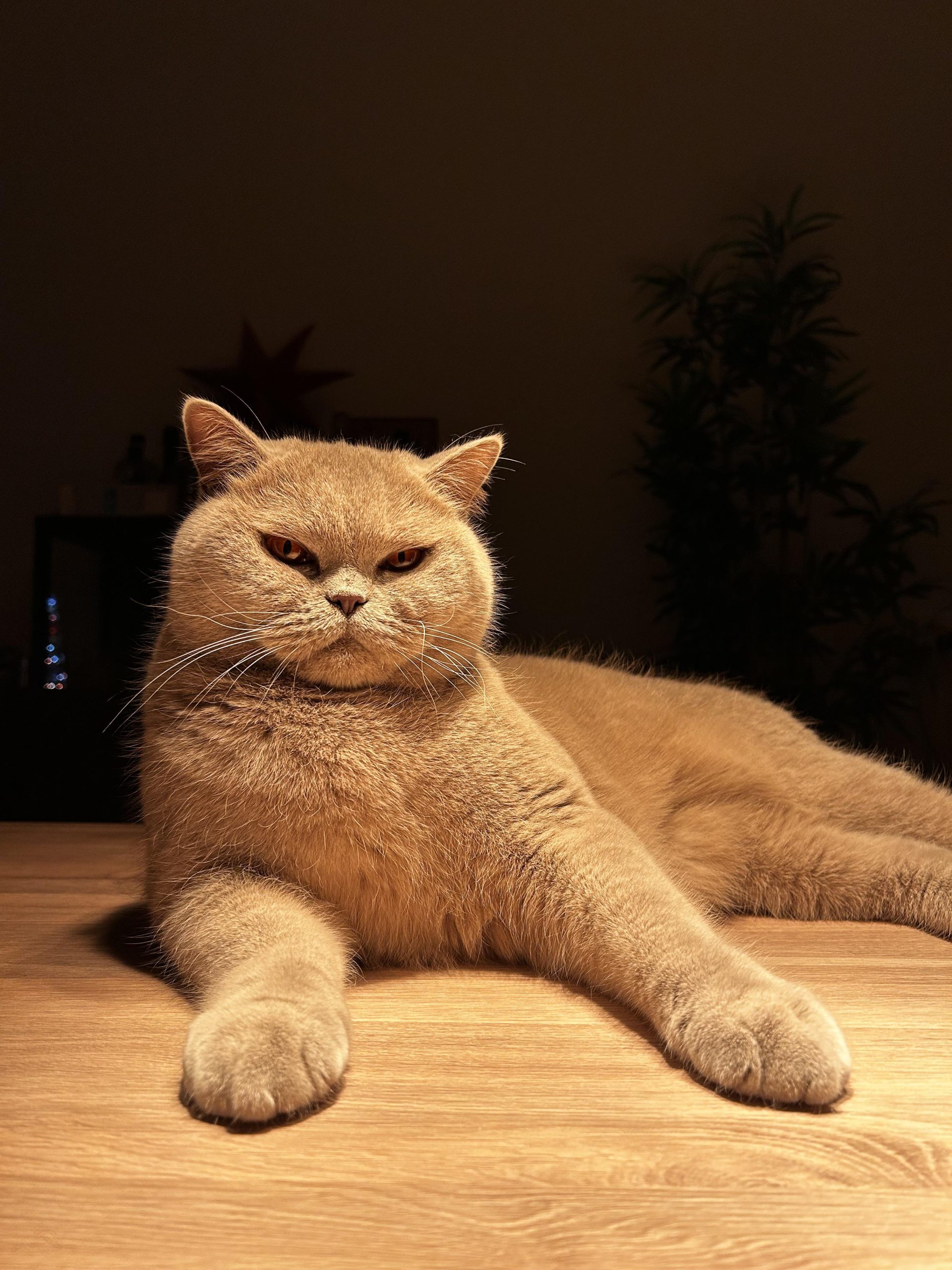
The British Shorthair also known as a British Blue is a medium-to-large build cat breed, famous for it’s round face, plush coat, calm temperament, and teddy-bear like appearance. They are affectionate without being demanding, loyal without being clingy, and typically a quiet breed unless they want something from you.
This breed tends to be popular among people who want a relaxed, low-drama companion that enjoys being near people rather than constantly in their arms.
2. Personality & Temperament:
The British Shorthair / British Blue are often described as:
- Affectionate but independent
- Quiet / not overly vocal
- Calm and easygoing
- Patient and tolerant
They can be known to follow their owners from room-to-room but they prefer sitting beside you rather than on your lap. Many dislike being picked up or carried, and if they do decide they want to lay on you, it’s always on their terms.
Family & Pets
- Generally good with children (especially respectful kids)
- Can coexist well with other cats and calm dogs
- Introductions should always be slow and supervised
3. Appearance & Physical Characteristics
Build:
- Stocky, muscular, “cobby” body
- Broad chest and thick legs
- strong, short neck
Head & Face:
- Very round head
- Full cheeks (especially in adult males)
- Large, round eyes
Coat
- Short, extreme dense and plush (like a teddy bear)
- Crisp texture rather than fluffy
Colors & Patterns
- Famous “British Blue” (solid grey-blue with copper eyes)
- Also comes in: black, white, cream, red, chocolate, lilac
- Patterns include tabby, tortoishell, bicolor, and colorpoint
Eye Color
- Copper or gold (most solids)
- Blue (colorpoints)
- Green or hazel in some silver varieties
4. Size, Growth & Lifespan
- Females: ~8-11 lb (3.5 – 5kg)
- Males: ~10-16 lb (4.5 – 7+kg)
Growth Rate
- Slow-maturing breed
- Often not fully developed until 3 years of age
- Some lines continue filling out until 4 – 5 years
Lifespan
- Commonly 12 – 16 years
- Many live into their late teens with good care
- Statistical averages vary depending on dataset and country
5. Daily Care & Maintenance
Grooming
- Weekly brushing (2 – 3 times a week during shedding seasons)
- Strongly recommended: tooth brushing
- Weekly ear checks
- Regular nail trims
Exercise & Enrichment
- Known to enjoy wand toys, medium soft dog toys, scratching posts, window perches
- Without encouragement, this breed can become sedentary
- Not hyper, but still require daily play
Feeding & Weight Control
- High risk of obesity
- Best fed measured meals (not free-fed)
- Weight management is critical for joint and heart health
- Fresh water access is essential (or if feeding chicken breast/tuna add water)
6. Health & Common Medical Concerns
British Shorthairs are generally hardy, but the breed is associated with several known conditions.
Most important to know
- Hypertrophic cardiomyopathy (HCM) – the most significant concern
- Polycystic kidney disease (PKD) – inherited; DNA testing available
Other commonly mentioned issues
- Dental disease
- Obesity and weight-related arthritis
- Hyperthyroidism (older cats)
- Urinary tract issues (FLUTD / cystitis)
- Cataracts (less common)
- Rare: Hemophilia B
Health best practices
- Choose breeders who screen for HCM and PKD
- Annual veterinary exams
- Proactive dental care
- Strict weight management
7. Ideal Home & Lifestyle Match
Best suited to:
- Owners who want a low-maintenance, calm companion
- Households with predictable routines
- Apartment or indoor living
May not be ideal for:
- People wanting a very vocal or constantly cuddly cat
- Homes with small prey animals (rodents, birds, reptiles)
8. Breed History & Origins
- Descended from native British domestic cats
- Standardized into a pedigree breed in the late 1800s
- Featured at the first cat show (Crystal Palace, 1871)
- Population nearly collapsed during both World Wars
- Rebuilt using selective breeding (including Persian outcrosses)
- Now one of the most popular pedigree cats in the UK
9. Summary: Why People Choose British Shorthairs
People choose British Shorthairs because they offer:
- A calm, steady temperament
- Low grooming demands
- Strong bonds without clinginess
- A classic, plush appearance
- Excellent adaptability to modern indoor living