Jump to content: Overview | Personality | Appearance | Size & Lifespan | Daily Care | Health | Lifestyle | History | Summary
1. Overview
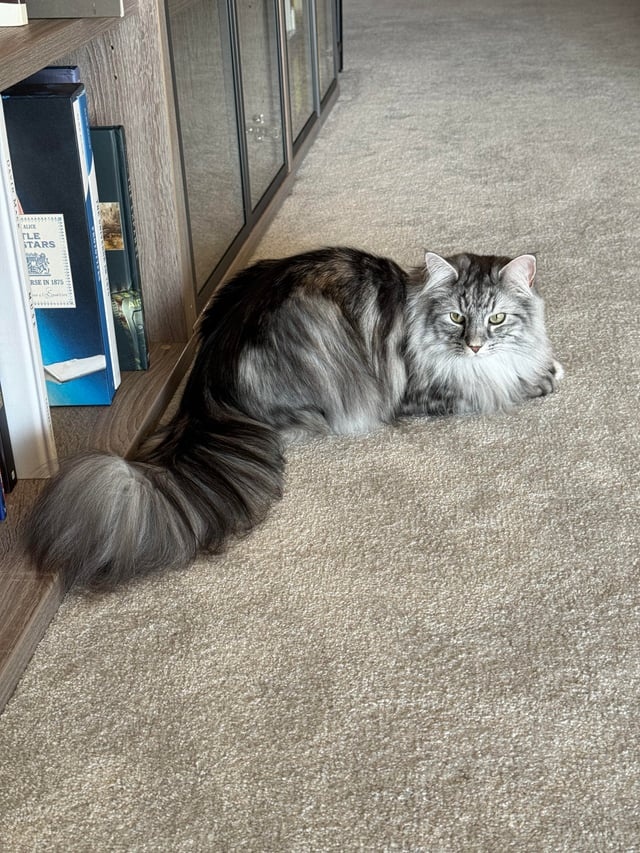
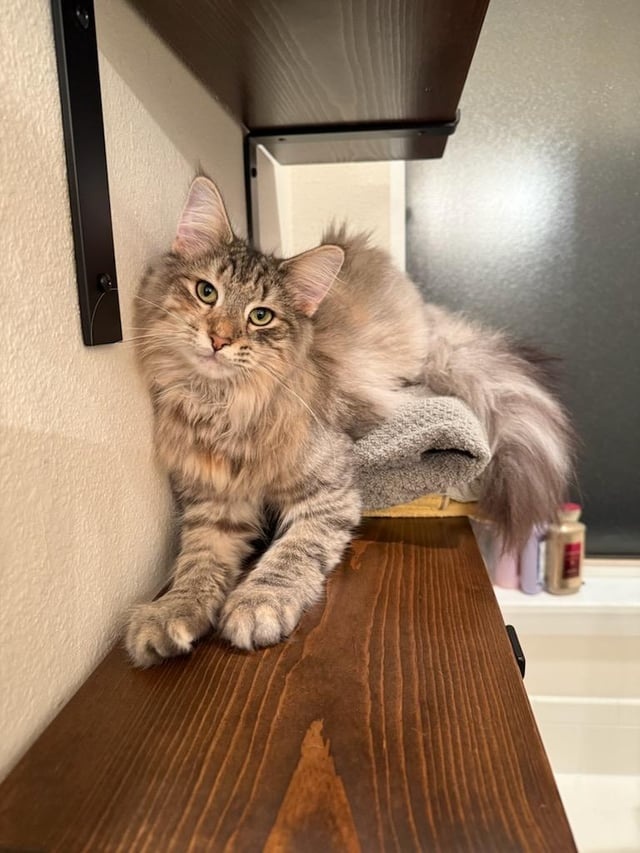
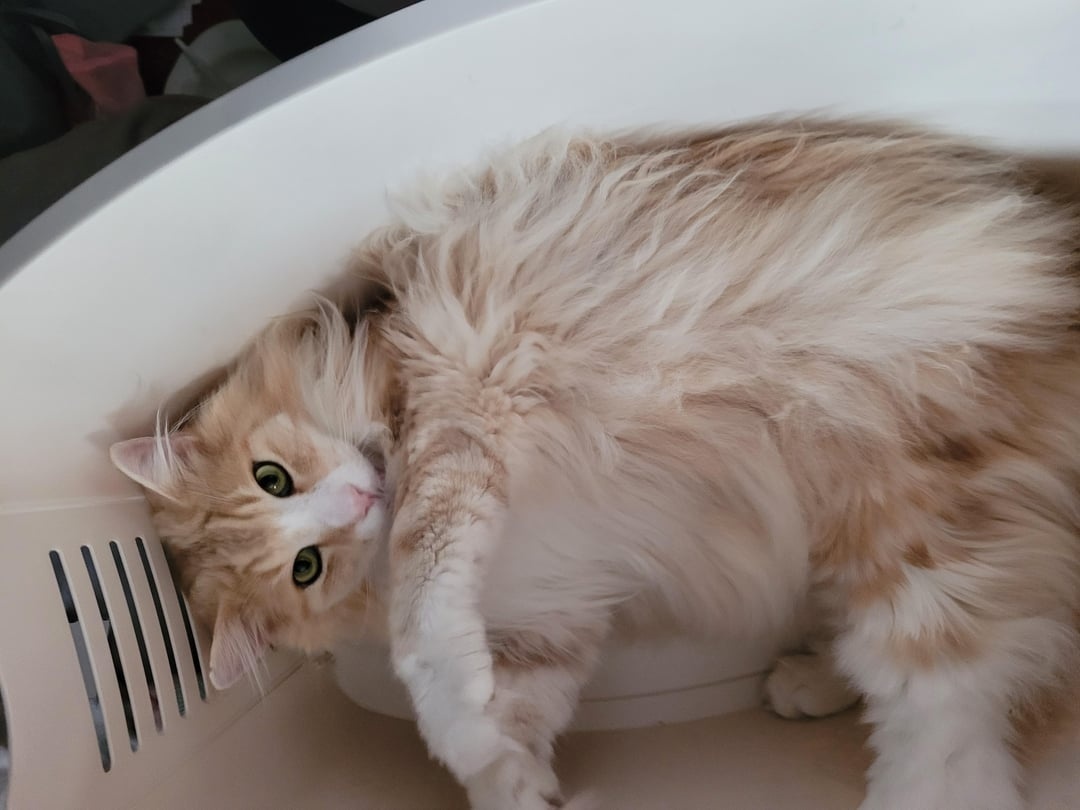
The Norwegian Forest Cat (often nicknamed “Wegie“, and called norsk skogkatt in Norway) is a large, rugged-looking, semi-longhaired breed built for cold weather. It’s considered a natural/landrace breed—shaped over time by climate and lifestyle rather than created from deliberate modern crossbreeding.
These cats are famous for their thick double coat, impressive ruff and “trousers“, athletic climbing ability, and a temperament that’s typically affectionate but not overly clingy-many prefer being near you rather than on you.
2. Personality & Temperament:
Norwegian Forest Cats are commonly described as:
- Friendly, calm, and sweet-natured
- Independent but people-attached (they like involvement in family life, just not constant handling)
- Playful and curious, often staying kittenish well into adulthood
- Confident climbers who love high perches and “supervising” from above
Family & Pets
Many do well in busy homes because they’re usually:
- Good with respectful children
- Comfortable with other cats and cat-friendly dogs, especially with gradual introductions
3. Appearance & Physical Characteristics
Build:
- Large, sturdy, muscular body with strong bone and a “wild” yet balanced look
- Athletic jumper/climber—think “forest athlete”, not sofa ornament
Head & Face:
- Triangular head with a straight profile is a classic breed hallmark
- Large, expressive eyes; tufted ears are common
Coat
- Glossy, water-resistant topcoat + woolly insulating undercoat
- Seasonal change is big-many carry a heavier winter coat with ruff and britches, then shed down for summer
Colors & Patterns
- Seen in many colors and patterns; some standards commonly exclude colorpoint/Siamese-type patterns
Eye Color
Can be any colour, including green, gold, or copper, and should be in harmony with the coat colour
4. Size, Growth & Lifespan
- Females: ~9-12 lb (4 – 5.5kg)
- Males: ~12-16 lb (5.5 – 7+kg)
Some males have been reported to be as heavy as 19lb+
Growth Rate
- Very slow-maturing breed
- Often not fully developed until 5 years of age
Lifespan
- Commonly 12 – 16 years
- Some individuals may reach late teens and occasionally ~20 years with strong genetics and great care
5. Daily Care & Maintenance
Grooming
- Weekly brushing (more frequent brushing needed during seasonal shedding)
- Regular brushing of the tail to prevent tangles (trimming not usually required)
- Strongly recommended: tooth brushing
- Weekly ear checks
- Regular nail trims
Bathing note: the coat can be slow to fully wet and slow to dry because it repels water—if you ever bathe, plan for time (and ask your breeder/vet groomer for guidance).
Exercise & Enrichment
This breed thrives with vertical space and “hunting-style” play:
- Tall, stable cat trees and shelving
- Daily interactive games (wand toys, chase/pounce toys)
- Window perches and puzzle feeders to keep that clever brain busy
Feeding & Weight Control
They don’t require a special diet because of the breed, but they do benefit from:
- Measured meals and keeping them lean (big frame ≠ overweight)
- A high-quality diet appropriate for life stage; consider adding wet food for hydration if it suits your cat
6. Health & Common Medical Concerns
Norwegian Forest Cats are generally robust, but several inherited conditions are repeatedly mentioned across veterinary and breed sources. Responsible breeders reduce risk by screening, DNA testing where available, and tracking family history.
Most important to know
- Hypertrophic cardiomyopathy (HCM) – the most significant concern
- Polycystic kidney disease (PKD) – inherited; DNA testing available
Other commonly mentioned issues
- Hip dysplasia: uncommon in cats overall but reported in this breed; can contribute to pain/arthritis and mobility changes
- Glycogen storage disease (commonly referenced as GSD type IV): a rare inherited disorder; breeders may test lines to avoid producing affected kittens
- Pyruvate kinase (PK) deficiency: can cause anemia; DNA testing is referenced by some breed guides.
- Possible hereditary cardiomyopathy signals and other line-associated issues have been noted in breed/pedigree analyses (e.g., Wikipedia’s summary of published/record-based observations)
Health best practices
- Choose breeders who can show health screening results and explain what they do to reduce inherited disease risk
- Keep your cat lean and active to protect joints and overall health
- Book routine vet checks and ask your vet what heart screening makes sense for your cat and family line
7. Ideal Home & Lifestyle Match
Best suited to:
- People who want a friendly companion that still has an independent streak
- Homes that can offer climbing space and regular interactive play
- Families with children/pets who understand gentle, respectful handling
May not be ideal for:
- Anyone expecting a constant lap cat (many Wegies enjoy affection on their own terms)
- Homes that can’t provide enrichment – this is a smart, athletic breed that gets bored without outlets
8. Breed History & Origins
The Norwegian Forest Cat originates in Northern Europe/Norway and is widely described as a cold-climate landrace with a coat adapted for harsh conditions.
- Developed as a natural landrace in Norway
- Adapted over centuries to cold Scandinavian climates
- Associated with Norwegian folklore and Viking-era farm and ship cats
- First exhibited in Norway in the early 20th century
- Breed preservation efforts began after World War II due to population decline
- Recognised by major cat registries internationally in the late 20th century
9. Summary: Why People Choose Norwegian Forest Cats
People fall for the Norwegian Forest Cat because it combines:
- A majestic, weatherproof-looking coat and striking “forest” silhouette
- A temperament that’s typically sweet, steady, and social—without being clingy
- Athletic climbing instincts and playful intelligence
- A reputation for being generally hardy, with the caveat that smart buyers look for health-tested lines