Jump to content: Overview | Personality | Appearance | Size & Lifespan | Daily Care | Health | Lifestyle | History | Summary
1. Overview
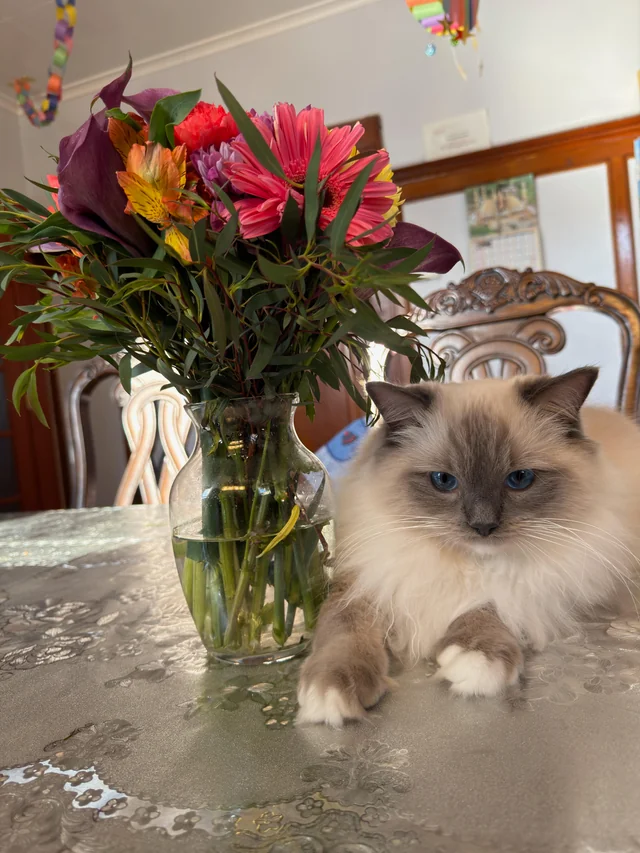
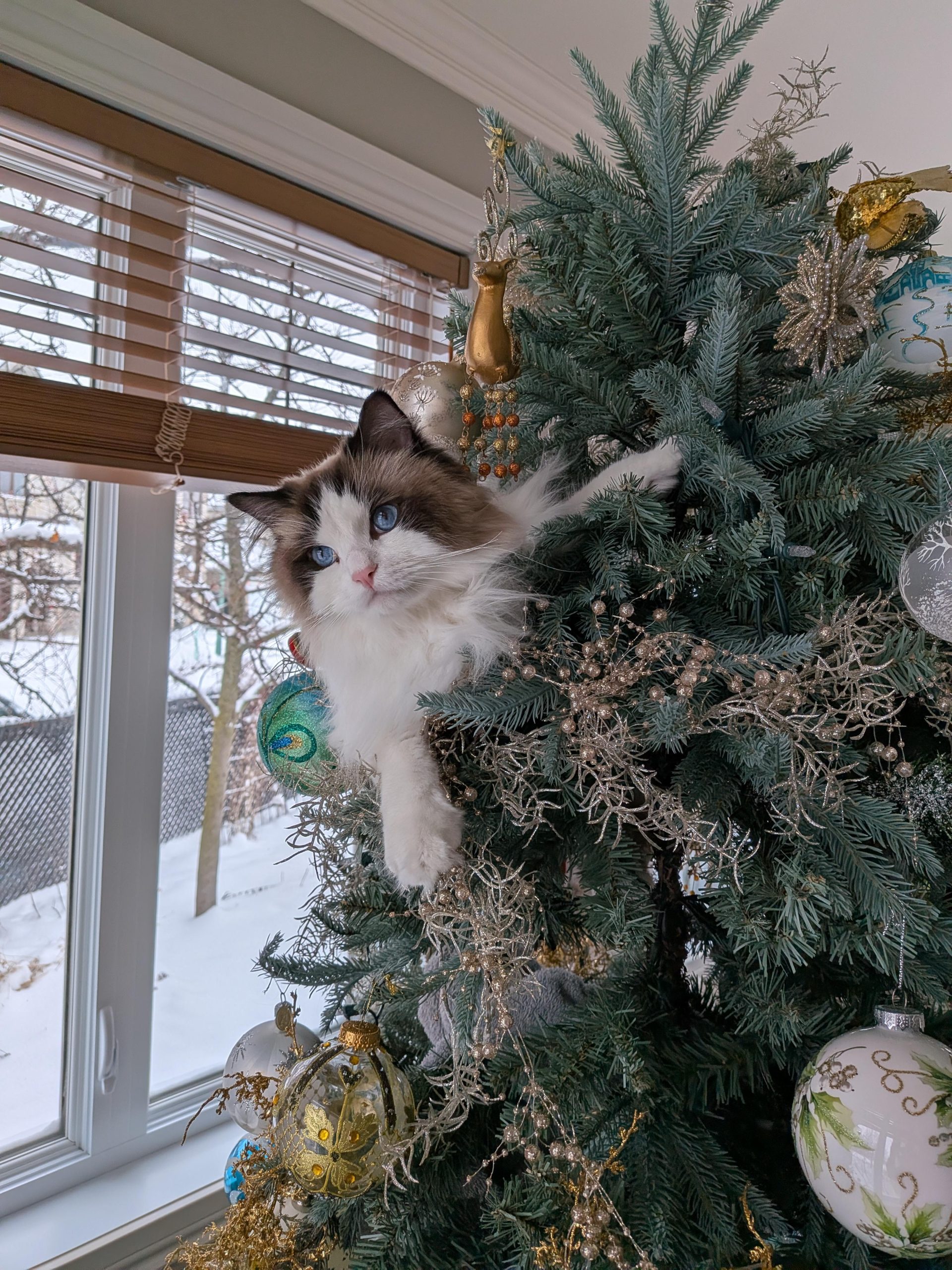
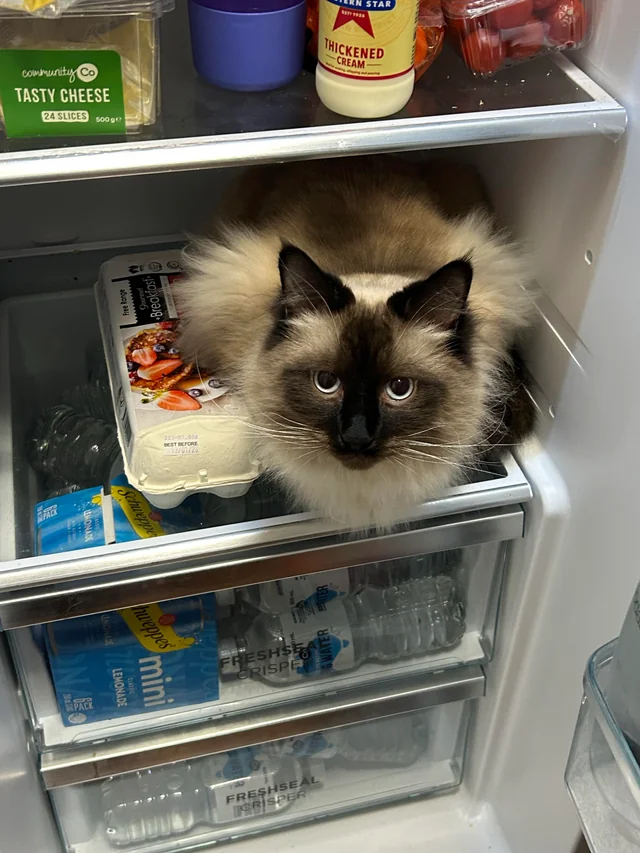
The Ragdoll is an affectionate, social, semi-longhaired cat breed known for beautiful deep blue eyes, a soft silky coat, and a famously relaxed, gentle temperament. The name “Ragdoll” comes from historical reports that many Ragdolls would go limp/relaxed when picked up.
Ragdolls are often described as a people-focused breed with similarities to dogs, they may follow you from room to room, greet you at the door, and many even return toys when thrown for them.
2. Personality & Temperament:
Ragdolls are commonly described as:
- Gentle, calm, and affectionate
- Very social and people-oriented
- Playful (but not typically hyper)
- Often tolerant and easygoing in the home
Important note: Because Ragdolls are often trusting and tolerant, they may not struggle, vocalise, or react strongly when mishandled or uncomfortable. This makes gentle handling, supervision with children, and prompt veterinary care especially important for this breed.
Family & Pets
- Excellent with respectful children due to their calm tolerant nature
- Often great with other cats and cat-friendly dogs if introductions are handled properly
- Because they’re so trusting and gentle, careful introductions matter (don’t assume every pet will match their softness)
3. Appearance & Physical Characteristics
Build:
- Large, long, muscular body with a broad chest
- Medium-length strong legs, large round paws, and a long bushy tail
Head & Face:
- Broad head (often described as a modified wedge), medium ears with rounded tips
- Large eyes set slightly obliquely
Coat
Ragdolls are a pointed breed (darker “points” on face/ears/legs/tail, lighter body).
- Silky, dense coat that is medium-to-semi-long
- Adults often develop a neck “ruff” and fuller hair on the hind legs
Colors & Patterns
- Colourpoint
- Mitted
- Bi-Colour
- Seal, blue, chocolate, lilac
- Red and cream
- Tortie and tabby/lynx variations
Eye Color
- Blue is the classic and expected Ragdoll eye colour.
4. Size, Growth & Lifespan
- Females: ~6.5-15 lb (3.0 – 6.8kg)
- Males: ~15-20 lb (6.8 – 9+kg)
Growth Rate
- Slow-maturing breed
- Often not fully developed until 3 – 4 years of age
- Some lines continue filling out until 4 – 5 years
Lifespan
- Commonly 12 – 17 years
- Many live into their late teens with good care
- Lifespan varies depending on genetics, diet, lifestyle, and veterinary care
- Indoor cats typically live longer than outdoor or free-roaming cats
5. Daily Care & Maintenance
Grooming
- Near daily brushing (3 – 4 times a week especially approaching and during cold months)
- Pay attention to areas prone to tangling and matting (around ears, armpits, stomach)
- Regular grooming helps reduce hair ingestion and hairballs
- Dental care recommended (brushing or dental-support diets)
Exercise & Enrichment
- Daily play sessions recommended to support physical and mental health
- Enjoys interactive play but not typically hyperactive
- Moderately active breed
- Ragdolls are curious and love looking out of windows
Feeding & Weight Control
- Strong appetite in many Ragdolls (but known to be picky eaters)
- Prone to weight gain if overfed (portion control is important, especially after neutering)
- Lean body condition helps reduce strain on joints and heart
- Fresh water access is essential (also if feeding chicken breast/tuna add water)
General Maintenance
- Regular nail trimming may be required (hairy feet hide long nails)
- Litter trays should be kept clean, as Ragdolls may avoid dirty trays
6. Health & Common Medical Concerns
Ragdolls are a generally healthy breed, responsible breeding reduces inherited risks. Choosing DNA tested lines is strongly recommended.
Most important to know
- Hypertrophic cardiomyopathy (HCM) – the most significant concern
Other commonly mentioned issues
- Urinary tract problems (Hydration and diet can help reduce risk)
- Obesity (Calm temperament can lead to lower activity)
- Dental Disease (Regular dental care helps reduce tartar and gum disease risk)
- Hairballs (More common in semi-longhaired breeds, regular brushing helps reduce hair ingestion)
Health best practices
- Choose a breeder who provides health testing/screening evidence (especially for HCM)
- Keep your cat lean (measured meals + daily play)
- Prioritise hydration (wet food can help; always provide fresh water)
- Maintain a consistent grooming routine to reduce matting and hairballs
- Provide routine dental care (brushing or vet-approved dental support)
- Keep up with vaccinations, parasite prevention, and annual vet checks
- Seek veterinary advice quickly for changes in breathing, energy, appetite, or urination
7. Ideal Home & Lifestyle Match
Best suited to:
- Owners wanting a calm, affectionate companion
- Families with respectful children
- Homes with other calm pets
May not be ideal for:
- Owners seeking a highly independent cat
- Homes where the cat will be left alone for long periods
- Unsupervised outdoor living
8. Breed History & Origins
- Developed in California, United States, during the 1960s by breeder Ann Baker
- Derived from domestic longhaired foundation cats
- Selective breeding focused on calm temperament and pointed colouring
- Early breeding lines included cats later named Josephine, Daddy Warbucks, Buckwheat, and Fugianna
- Spread internationally during the 1970s and 1980s
- Recognised by major cat registries including CFA and GCCF
- Now one of the most popular pedigree cat breeds worldwide
9. Summary: Why People Choose Ragdolls
People choose Ragdolls because they offer:
- A calm, affectionate, people-focused temperament
- Distinctive blue eyes and soft semi-long coat
- Large, slow-maturing breed with a substantial build
- Strong bond with owners and preference for human company
- Moderate grooming requirements compared to other longhaired breeds
- Well suited to indoor family life