
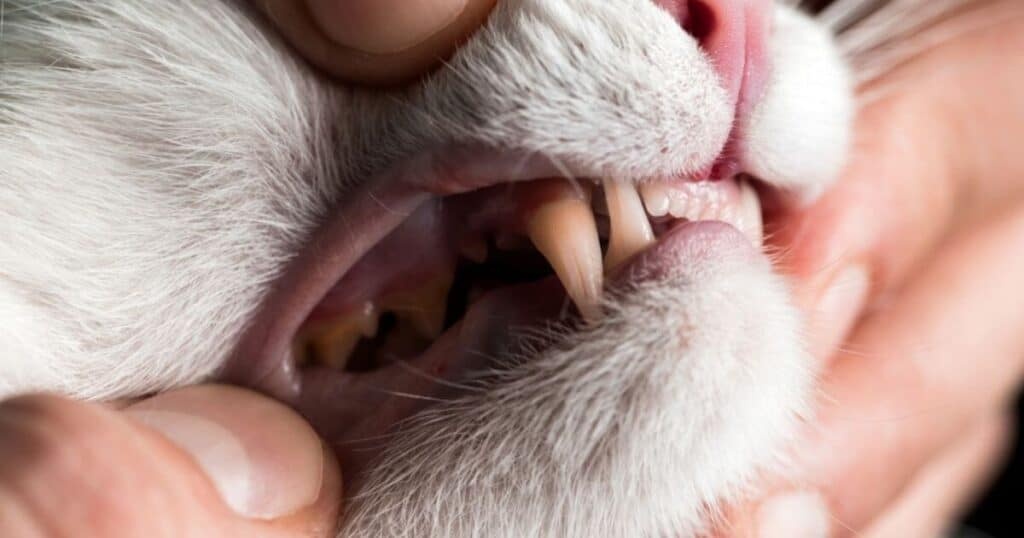
Dental disease is one of the most common — and most overlooked — health problems in cats. Many cats develop dental issues early in life, yet continue eating and behaving normally, which makes problems easy to miss. Because cats instinctively hide pain, dental disease often goes undetected until it becomes advanced.
Understanding the basics of feline dental care helps protect your cat from chronic discomfort and supports long-term health.
Why Dental Health Matters
Dental disease doesn’t stay confined to the mouth. Inflammation and infection in the gums can allow bacteria to enter the bloodstream, potentially affecting organs such as the heart, kidneys, and liver.
Even early dental disease can cause:
- Ongoing oral pain
- Difficulty chewing
- Behavioral changes
- Reduced overall wellbeing
Maintaining oral health is an important part of caring for your cat’s entire body.
Common Dental Conditions in Cats
Most dental problems seen in cats fall into a few main categories:
- Gingivitis – Red, swollen, or irritated gums
- Periodontitis – Damage to the structures supporting the teeth (this stage is irreversible)
- Tooth resorption – A painful condition where the tooth gradually breaks down and is lost
Tooth resorption is particularly common in cats and frequently requires extraction to relieve pain.
How Dental Disease Develops
Dental disease usually begins with plaque – a thin layer of bacteria that forms on the teeth. If plaque is not removed, it hardens into tartar, which irritates the gums and creates an environment where bacteria thrive.
As inflammation progresses, the tissues that support the teeth can become damaged, leading to pain, infection, and tooth loss.
Subtle Signs of Dental Pain
Cats often show quiet or indirect signs of discomfort. Changes to watch for include:
- Bad breath
- Drooling or wet fur around the mouth
- Red or bleeding gums
- Pawing at the face or avoiding touch
- Chewing slowly or dropping food
- Eating less or favoring softer foods
- Reduced grooming or changes in behavior
These signs may develop gradually and are easy to overlook without close observation.
When Dental Issues Need Immediate Attention
Prompt veterinary care is recommended if you notice:
- Swelling of the face or jaw
- A sudden refusal to eat
- Signs of severe pain or lethargy
These symptoms may indicate infection or advanced dental disease requiring urgent treatment.
How Dental Problems Are Diagnosed
A routine oral check can reveal obvious issues, but many dental problems occur below the gumline and cannot be seen without further testing.
A complete dental evaluation typically includes:
- General anesthesia
- A thorough oral examination
- Dental X-rays to assess tooth roots and surrounding bone
Dental X-rays are essential for identifying hidden disease and guiding appropriate treatment.
Treatment Options
Treatment depends on the findings of the dental exam and may involve:
- Professional cleaning to remove plaque and tartar
- Dental X-rays
- Treatment of gum inflammation
- Removal of painful or damaged teeth
- Pain management and follow-up care
Cats often show noticeable improvement in comfort and behavior after dental treatment.
Preventing Dental Problems
Brushing is the most effective way to slow plaque buildup.
Helpful tips:
- Use toothpaste made specifically for cats
- Focus on the outer surfaces of the teeth
- Start gradually and keep sessions short
- If your cat’s gums are very sore, consult your vet before brushing
When Brushing Isn’t an Option
Not all cats tolerate brushing. In these cases:
- Veterinary dental diets may help reduce plaque
- Your vet can recommend additional safe options
- Regular professional care becomes especially important
The Role of Routine Veterinary Visits
Regular veterinary check-ups allow dental problems to be detected early, often before visible symptoms appear. Early intervention reduces discomfort and lowers the risk of complications.
Common Questions
Can a cat have dental disease while still eating normally?
Yes. Many cats continue eating despite significant oral pain.
Are non-anesthetic cleanings enough?
A complete dental assessment requires anesthesia and dental X-rays to properly evaluate the teeth and surrounding structures.
Do dental treats replace brushing?
Brushing remains the most effective home care. Other options may help but should be considered supportive rather than replacements.