
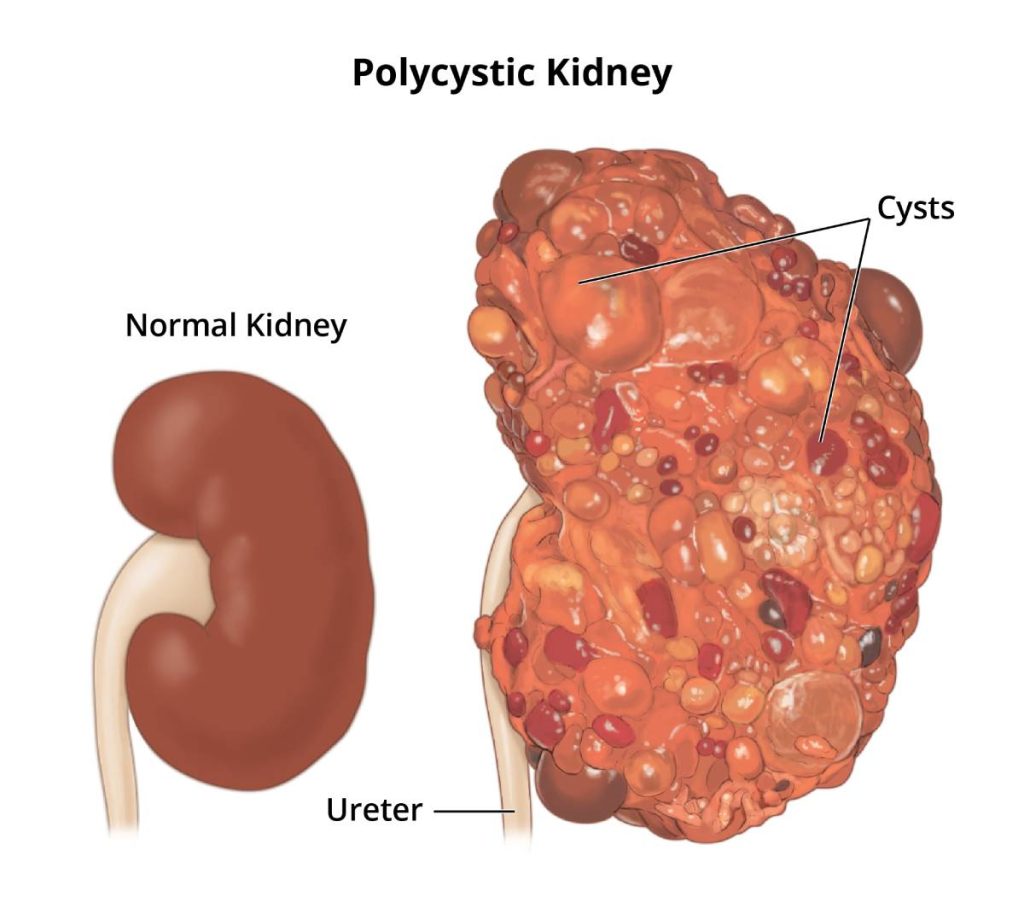
What is PKD?
Polycystic Kidney Disease (PKD) is an inherited condition in cats that causes numerous fluid-filled cysts to form in the kidneys. It is especially common in certain purebred cats (notably Persian cats and related breeds). The cysts are present from birth and slowly grow larger over time. Most cats with PKD appear healthy when young – symptoms typically don’t emerge until middle age, once the cysts have enlarged enough to affect kidney function. Eventually, PKD can lead to chronic kidney failure.
Cats with PKD often show no signs of illness for a long time. In most cases, cysts grow gradually and affected cats may not develop symptoms until around 7 years of age or later. However, the progression of PKD is highly variable. Some cats may experience kidney failure at a younger age (for example, as early as 3–4 years old), while others live out their natural lifespan without ever showing severe symptoms. There is no way to predict how quickly PKD will progress in an individual cat. (In rare cases, PKD cysts can also form in other organs like the liver or pancreas, but kidney problems are the primary concern.)
There is no cure for PKD, but there are treatments to manage it. With early detection and proper care, many cats with PKD can still live comfortably for years. Owners of at-risk breeds should be aware of this disease, since prompt veterinary care and management can greatly improve an affected cat’s quality of life.
Causes of PKD in Cats
PKD is caused by a genetic mutation that is passed down from parent cats to their kittens. It follows a dominant inheritance pattern – this means a cat only needs to inherit one copy of the defective gene (from one parent) to have PKD. In other words, if even one parent has PKD, approximately half of the kittens can inherit the disease. This mode of inheritance allowed PKD to become widespread in certain breeds before the mutation was identified and breeding practices changed.
Persian cats have the highest incidence of PKD. Studies have shown roughly one in three Persians (around 33%–40%) may carry the PKD gene. Many other breeds that originated from Persians have also been affected. Examples include the Himalayan (a Persian colorpoint variety), Exotic Shorthair, Scottish Fold, British Shorthair, Chinchilla, and others. In contrast, PKD is rare in mixed-breed (domestic) cats because the gene is primarily found in pedigreed lines.
Today, DNA testing and ultrasound screening are used by breeders to reduce PKD in purebred cats. Responsible breeders will test their Persians and other at-risk cats and avoid breeding any that are positive for the PKD mutation. Thanks to these efforts, the number of PKD-affected kittens has been declining, and it is hoped that this disease can eventually be eliminated from pedigreed cats.
Signs and Symptoms of PKD
In the early stages, cats with PKD usually appear normal. As cysts grow and kidney function worsens, cats will start to show signs of chronic kidney disease. These signs tend to come on gradually and may be subtle at first. Owners should watch for any changes in their cat’s drinking, urination, appetite, and energy level – especially in middle-aged cats of susceptible breeds. Common symptoms of PKD (and feline kidney failure) include:
- Increased thirst and urination – your cat may drink water more frequently and fill the litter box faster than normal.
- Loss of appetite – eating less or showing less interest in food.
- Weight loss – gradual weight loss or poor body condition (muscle wasting) over time.
- Lethargy or weakness – low energy, sleeping more, not playing as much, and tiring quickly.
- Vomiting (and nausea) – intermittent vomiting, drooling, or other signs of stomach upset due to toxin build-up.
- Poor coat condition – the fur may become dry, dull, and ungroomed; dehydration can cause the skin to lose elasticity.
- Bad breath or mouth ulcers – a uremic odor (ammonia/metallic smell) on the breath and sores in the mouth can occur in advanced kidney failure.
- Advanced signs: In severe cases, complications of kidney failure can lead to pale gums (from anemia), high blood pressure (which may cause sudden blindness or disorientation), or even seizures/collapse due to toxin buildup.
Not all cats will show all of these signs, but any combination of these symptoms should prompt a veterinary check-up. Often, the symptoms appear when kidney function is already significantly impaired. Regular wellness exams and blood/urine tests for senior cats can help detect kidney issues early, before obvious signs develop.
How is PKD Diagnosed?
Diagnosing polycystic kidney disease typically involves a veterinary exam and a few diagnostic tests. If your cat belongs to a high-risk breed or is showing signs of kidney trouble, the vet will likely run the following:
- Blood chemistry tests: to check for elevated kidney values (like creatinine and BUN) and other abnormalities that indicate reduced kidney function. High levels confirm kidney disease is present (though not the cause).
- Urinalysis: to see if the urine is dilute (poorly concentrated) or contains protein or blood. PKD causes the kidneys to lose their concentrating ability, so affected cats often have very dilute urine and may have protein in the urine.
- Imaging of the kidneys: Ultrasound is the most useful tool to confirm PKD. An ultrasound scan of the cat’s abdomen can visualize the kidneys and reveal the presence of multiple cysts. These cysts can often be detected by ultrasound as early as 6–10 months of age. (Regular X-rays are usually not as effective, but they might show enlarged or irregularly shaped kidneys in some cases.)
- Genetic test: A specific DNA test is available to screen for the PKD gene mutation. This test uses either a blood sample or a cheek swab. A positive result means the cat has the genetic defect and will likely develop PKD cysts. Genetic testing can identify affected cats even before cysts or symptoms develop – which is especially helpful for breeders or owners of young high-risk cats.
In practice, many middle-aged cats are diagnosed with PKD when they have blood/urine tests for unexplained weight loss or other signs, and then an ultrasound confirms the kidney cysts. If you have a Persian or related breed, you might consider having your vet perform a preventive ultrasound or DNA test while your cat is still young. Early knowledge of PKD status can help you take action before the cat becomes ill.
Can PKD be treated?
There is no specific cure to eliminate the cysts in PKD – the goal is to manage the resulting kidney disease and keep the cat as healthy and comfortable as possible. Treatment for a PKD-positive cat is very similar to treatment for any cat with chronic kidney disease (CKD). Your veterinarian will tailor a plan based on the cat’s symptoms and how advanced the kidney failure is. Key parts of managing PKD include:
- Dietary management: Cats with kidney disease do best on a renal diet – a special food formula that is lower in protein, phosphorus, and sodium. These diets reduce waste products and strain on the kidneys. Your vet may prescribe a therapeutic kidney diet (available in both canned and dry forms). Ensuring the cat eats well (and likes the food) is important; sometimes appetite stimulants or different flavors are tried to find what the cat will eat.
- Hydration support: Keeping a PKD cat well-hydrated is crucial, since their kidneys can’t conserve water effectively. Always provide plenty of fresh water. Feeding canned (wet) food or adding water to food can help increase fluid intake. In later stages, your vet might recommend periodic subcutaneous fluids (fluid injections under the skin) to prevent dehydration.
- Medications: Various medications may be used to address specific issues:
- Blood pressure medication if your cat has high blood pressure (common in kidney disease). Controlling hypertension can prevent further kidney damage and issues like blindness.
- Phosphate binders to reduce phosphorus buildup (elevated phosphorus can worsen kidney problems and cause poor appetite).
- Nausea and stomach acid reducers (antiemetic or antacid drugs) to help if your cat is vomiting or has reduced appetite due to uremia.
- Appetite stimulants if the cat is not eating enough.
- Supplements or therapy for anemia (such as iron supplements or injections to boost red blood cell production) if kidney failure has caused anemia.
- Monitoring and adjustments: A cat with PKD/CKD should see the vet regularly for check-ups. Periodic blood and urine tests will track the progression of the disease and help adjust the treatment plan. For example, medication doses might be changed as needed, or additional treatments added if new complications arise. Promptly treating issues like urinary tract infections, if they occur, is also important for a CKD cat’s health.
- Treating acute issues: On occasion, a PKD cyst can become infected or inflamed, causing pain and illness. If that happens, the cat may need antibiotics and supportive care. Very rarely, surgical drainage of a large cyst or even removal of a severely affected kidney might be considered – but these scenarios are uncommon. Most often, comprehensive medical management will keep the cat stable.
With diligent care, many cats with PKD can maintain a good quality of life. It’s important to follow your vet’s recommendations, give medications as directed, and watch your cat’s daily eating, drinking, and litter box habits. Adjustments to the treatment plan over time can help address the cat’s changing needs. While PKD will progressively damage the kidneys, the treatments above can significantly slow down the progression and help the cat feel better. Some PKD cats live several years after diagnosis, especially if the disease is caught early and managed appropriately.
Preventing PKD and Reducing Risk
For individual cats that already have the PKD gene, there is unfortunately no way to stop the cysts from developing. The focus then is on early detection and management (as described above) to prolong kidney function. However, when it comes to the broader cat population, PKD can be prevented through careful breeding practices:
- Genetic Screening: If you are purchasing or adopting a Persian, Exotic, or any high-risk breed kitten, inquire about PKD status. Reputable breeders now routinely screen their breeding cats for PKD using DNA tests or kidney ultrasound. Only kittens from PKD-negative parents should be used for breeding or sold as “PKD free.” This greatly reduces the chance of a kitten being born with the disease.
- Avoid breeding affected cats: Any cat diagnosed with PKD should not be bred, as they will pass the gene to their offspring. If you happen to have an intact purebred cat with PKD, have them spayed or neutered to ensure they don’t accidentally contribute to the gene pool.
- Early testing: If you own a breed prone to PKD, you might choose to have them tested at a young age (via DNA swab or an ultrasound after 10-12 months old). Knowing your cat’s PKD status early allows you to take proactive steps with diet and monitoring, which might delay the onset of symptoms. For instance, a vet may recommend starting a kidney-friendly diet before the cat shows any signs, in hopes of preserving kidney function longer.
The good news is that due to awareness and testing, PKD is declining in frequency among pedigreed cats. In fact, some breed clubs maintain registries of PKD-negative cats. By supporting breeders who health-test their cats, cat lovers can help eliminate this disease. Always do your research and ask for health certifications when acquiring a pedigreed kitten.
When to Seek Urgent Veterinary Care
PKD typically causes chronic (slowly progressive) kidney failure, which is managed over months and years. However, cats with PKD can sometimes experience acute crises or sudden worsening that requires emergency care. You should seek urgent veterinary attention if you observe any of the following in your cat:
- Severe loss of appetite and vomiting: If your cat has stopped eating and drinking entirely for more than a day, or is vomiting repeatedly in a short time, it’s an emergency. Acute dehydration and electrolyte imbalances can be life-threatening.
- Collapse or extreme lethargy: If your cat is too weak to stand, collapses, or is unresponsive (won’t wake up or interact), get to a vet immediately. This could indicate end-stage kidney failure or a severe buildup of toxins in the bloodstream.
- Seizures or unusual neurological signs: Sudden seizures, disorientation, inability to walk properly (ataxia), or other neurological symptoms can result from high blood pressure or toxin effects on the brain. These signs require prompt treatment.
- Difficulty breathing or signs of intense pain: Cats in advanced kidney failure may develop fluid buildup or other complications that affect breathing. If your cat is panting, breathing fast, or you notice open-mouth breathing, seek emergency care. Likewise, if your cat is crying out, hiding, or appears to be in severe pain (which could happen if a kidney cyst ruptures or becomes infected), don’t delay in getting help.
- No urination: If your cat stops producing urine or only passes tiny amounts despite straining, this is very serious. It may indicate that the kidneys have acutely shut down or there is a blockage. A cat who isn’t urinating needs immediate veterinary intervention.
In any situation where you are unsure but worried, it’s best to err on the side of caution and contact an emergency vet. Rapid treatment can stabilize your cat and potentially save its life. Always have the phone number and address of the nearest 24-hour veterinary hospital on hand, especially if you are caring for a cat with a known chronic condition like PKD.
Remember: while PKD is a serious disease, knowledge and vigilant care are your best tools. By understanding the signs and working closely with your veterinarian, you can give a cat with PKD the best chance at a happy, comfortable life for as long as possible.
Sources:
- https://www.petmd.com/cat/conditions/endocrine/c_ct_polycystic_kidney_disease
- https://vcahospitals.com/know-your-pet/kidney-disease-polycystic-kidney-disease-in-cats
- https://www.vet.cornell.edu/departments-centers-and-institutes/cornell-feline-health-center/health-information/feline-health-topics/polycystic-kidney-disease
- https://www.langfordvets.co.uk/diagnostic-laboratories/cat-genetic-testing/genetic-disease-and-trait-tests/polycystic-kidney-disease/
- https://www.bayvets.co.uk/what-is-pkd/
- https://www.felinecrf.org/polycystic_kidney_disease.htm
- https://wagwalking.com/cat/condition/polycystic-kidney-disease
- https://laboklin.com/en/products/genetics/hereditary-diseases/cat/polycystic-kidney-disease-pkd/