
Welcoming a cat into your home can be a wonderful and rewarding experience, but it also comes with responsibility. Whether you’re bringing home a playful kitten or adopting an adult cat, understanding the basics of cat care will help your new companion settle in and thrive.
This beginner-friendly guide covers everything you need to know – from preparing your home and choosing the right food, to litter training, grooming, and ongoing health care.
Preparing Your Home for a Cat
Before your cat arrives, it’s important to create a safe, calm environment where they can feel secure.
Start by setting up a quiet area with all their essentials. This helps reduce stress and allows your cat to adjust gradually.
Essential supplies include:
- Food and water bowls (placed separately)
- A comfortable bed or blanket
- A clean litter tray
- Scratching post or scratch mat
- A selection of toys
- A grooming brush
- A secure cat carrier
Make sure your home is cat-proofed by securing electrical cords, removing toxic plants, and storing cleaning products safely out of reach. Allow your cat to explore at their own pace – some cats settle quickly, while others may hide for a few days. This is completely normal.
Feeding and Nutrition
Cats are obligate carnivores, meaning they require a diet rich in animal protein to stay healthy. Feeding your cat a complete and balanced commercial cat food is the easiest way to ensure they get all the nutrients they need.
Feeding basics:
- Choose food appropriate for your cat’s life stage (kitten, adult, or senior)
- Feed measured portions rather than free-feeding to prevent weight gain
- Most adult cats do well with two meals per day
- Kittens require more frequent meals
Wet vs dry food:
- Wet food helps support hydration
- Dry food is convenient and can support dental health
- Many owners choose a combination of both
Always provide fresh, clean water and refresh it daily. Avoid feeding cats milk, dog food, or human foods, as many common foods can upset their stomach or be toxic.
Litter Trays and Hygiene
Cats are naturally clean animals, and most will instinctively use a litter tray if it’s set up correctly.
Litter tray tips:
- Provide one litter tray per cat, plus one extra
- Place trays in quiet, easily accessible locations
- Keep litter trays away from food and water areas
- Use unscented, clumping litter where possible
Scoop waste at least once daily, and fully change the litter regularly. A dirty litter tray is one of the most common reasons cats stop using it.
Creating a Cat-Friendly Environment
A stimulating environment helps keep your cat happy, confident, and mentally engaged.
Enrichment essentials:
- Scratching posts to protect furniture and satisfy natural instincts
- High places or perches where cats can feel safe and observe
- Hiding spots such as boxes or covered beds
- Toys and interactive play to encourage exercise and prevent boredom
Short daily play sessions help mimic natural hunting behaviour and strengthen the bond between you and your cat.
Grooming and General Care
While cats groom themselves, regular care from you helps maintain their health and comfort.
Grooming basics:
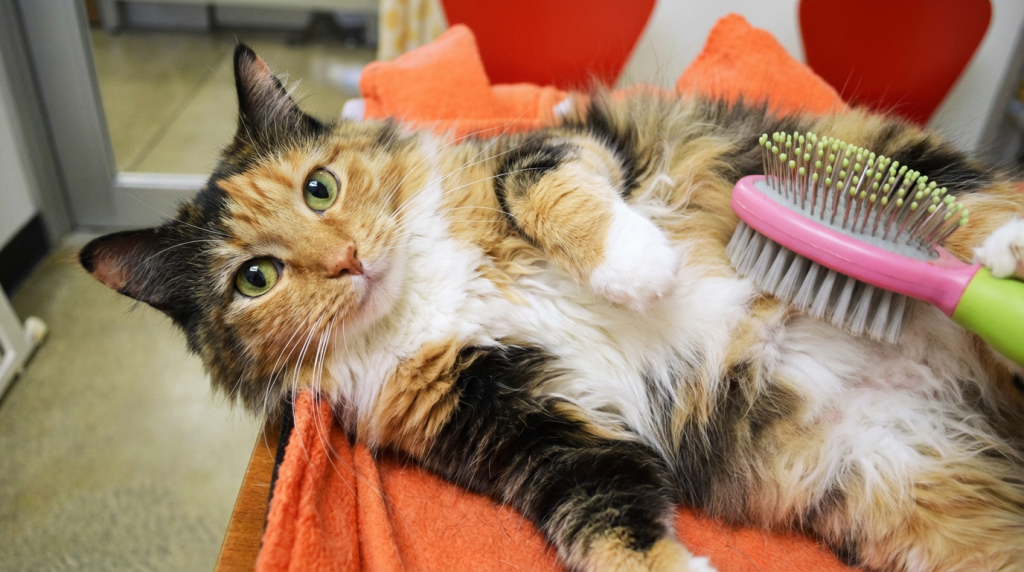
- Brush short-haired cats weekly and long-haired cats daily
- Trim nails every few weeks if needed
- Check ears and eyes regularly for signs of irritation
- Bathe only when necessary, using cat-safe products
Regular grooming also allows you to spot potential health issues early, such as lumps, skin problems, or parasites.
Health Care and Veterinary Visits
Good health care starts with registering your cat with a vet as soon as possible.
Key health considerations:
- Routine veterinary check-ups
- Vaccinations to protect against common diseases
- Flea and worm prevention
- Neutering or spaying to prevent unwanted litters and health issues
- Microchipping for permanent identification
Cats are very good at hiding illness, so changes in appetite, behaviour, or litter habits should always be taken seriously.
Pet insurance is worth considering, as veterinary care can become expensive in the event of illness or injury.
Bonding and Behaviour
Building a strong relationship with your cat takes time and patience.
- Let your cat approach you rather than forcing interaction
- Use gentle voices and slow movements
- Learn to recognise body language and stress signals
- Use positive reinforcement — never punishment
Every cat has a unique personality. Some are cuddly, others more independent, but all benefit from consistent care and respect.
Final Thoughts
Caring for a cat doesn’t have to be complicated. By providing proper nutrition, a clean environment, regular health care, and plenty of love, you’ll help your cat live a happy, healthy life.
With patience and understanding, your cat will reward you with companionship, affection, and plenty of personality for years to come.
Sources
- https://www.cats.org.uk/help-and-advice/first-time-cat-owners
- https://koriathome.com/basic-cat-care/
- https://cats.com/cat-care-for-beginners
- https://www.aspca.org/pet-care/cat-care/general-cat-care
- https://www.rspca.org.uk/adviceandwelfare/pets/cats
- https://www.lv.com/pet-insurance/owning-a-cat
- https://holisticvetblend.com/blogs/news/cat-care-101-how-to-take-care-of-cats-properly